
Religious Education
Why is Religious Education important in a Catholic school such as Assumption Convent?
At Assumption Convent Primary School, we focus on a vibrant, interesting, and relevant Religious Education curriculum that is designed to help learners discover their identity in God, and to empower them to participate with God in the creation of a “new heaven and a new earth” [Revelation 21:1].
Religious Education is at the core of the curriculum in a Catholic school. In so doing, it helps the school to fulfil its mission to educate the whole person in discerning the meaning of their existence.
Religious Education is further concerned not only with intellectual knowledge, but also includes emotional and affective learning. It is through this mystery of the ‘Word made flesh’, that the mystery of what it is to be human truly becomes clear.
Without religious education, children would be deprived of an essential element of their formation and personal development. The teaching of Religious Education helps them attain a vital harmony between faith and culture.
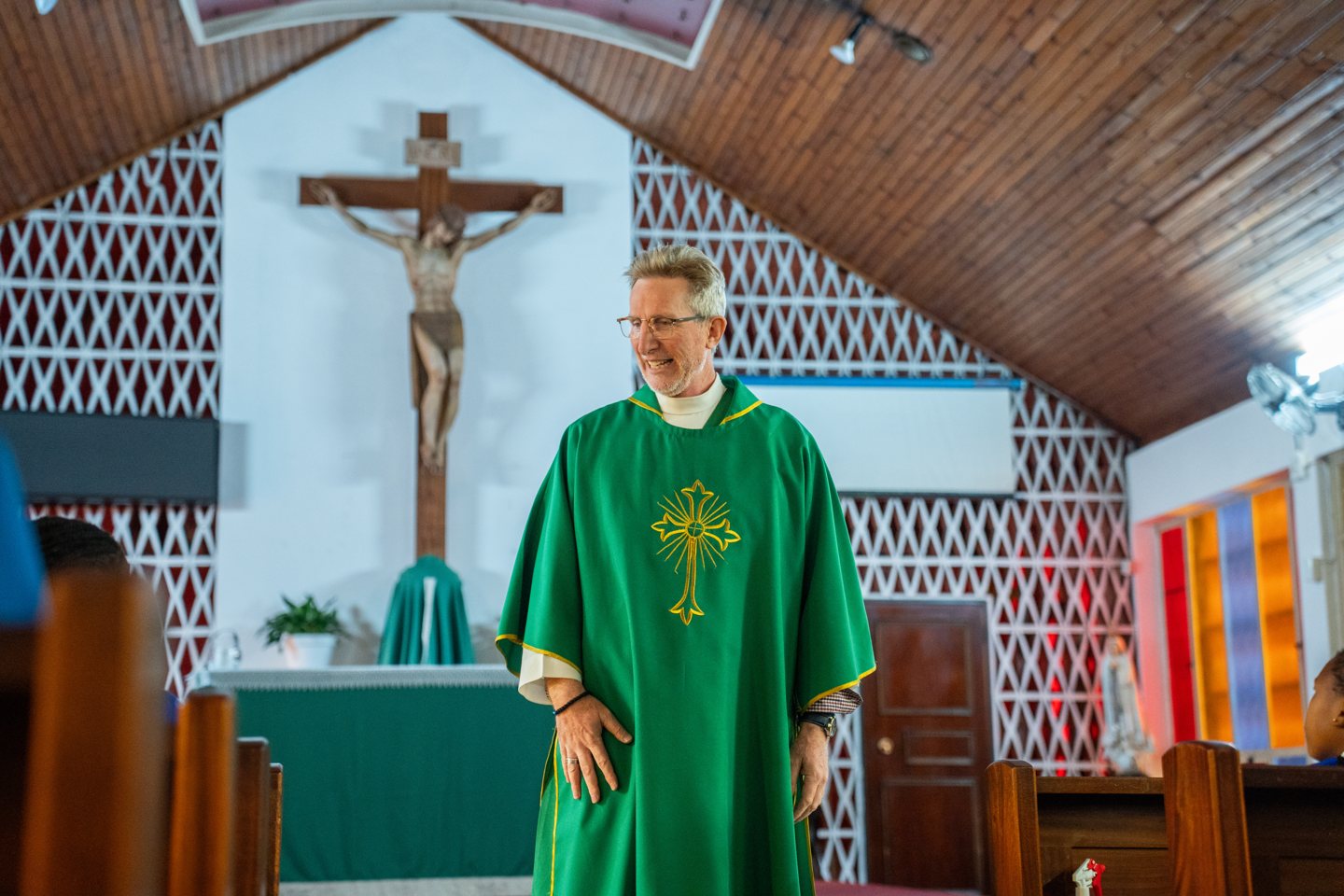
What is the purpose of Religious Education in Catholic schools?
In a Catholic school, the curriculum exists to help parents, priests, and teachers to hand on the Deposit of Faith in its fullness, to a new generation of young people and to help them to come to a better understanding of the richness of the faith, and thereby be drawn into a deeper communion with Christ in his Church. With this as their primary aim, Catholic schools serve diverse populations of children of different faiths and within this context the Religious Education Curriculum endeavours:
- To present engagingly a comprehensive content, which is the basis of knowledge and understanding of the Catholic faith;
- To enable the children to continually deepen their religious and theological understanding and be able to communicate their understanding effectively;
- To present an authentic vision of the Church’s moral and social teaching so that children can make an informed critical reflection of their culture and society;
- To raise the children’s awareness of the faith and traditions of other religious communities around them and to respect and understand them better;
- To stimulate the children’s imagination to provoke a desire for personal meaning, as revealed in the truth of the Catholic faith;
- To help children to relate what they learn in Religious Education to their understanding of other subjects in the curriculum;
- To assist children to link their faith and life, and move between their faith and culture.
The ultimate outcome of Religious Education is to educate and engage young people to have the knowledge, understanding and skills they need, to reflect spiritually, and think ethically and critically, and be aware of the demands of religious commitment in their everyday life.
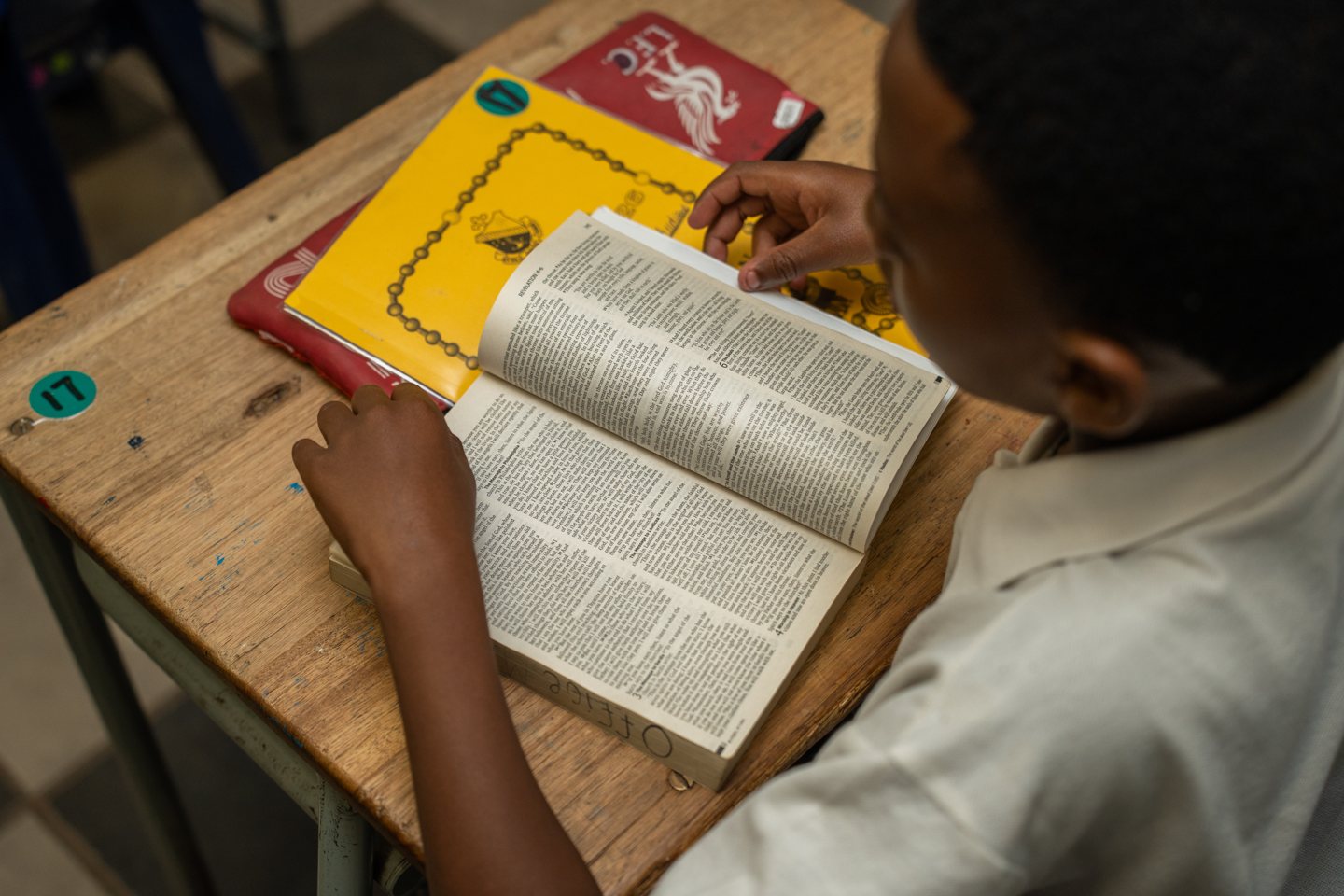
A Multicultural School
Although Assumption Convent is a Catholic school, we welcome learners from all faiths and creeds, creating a diverse and vibrant community where mutual respect and understanding are encouraged.

Come and Experience Our School
Meet our team, explore our campus and discover a place where your child can learn, grow and thrive.
